Can’t wait to see what verses you choose for April! Click on “comment” and type away!

Roadtrip to Ames
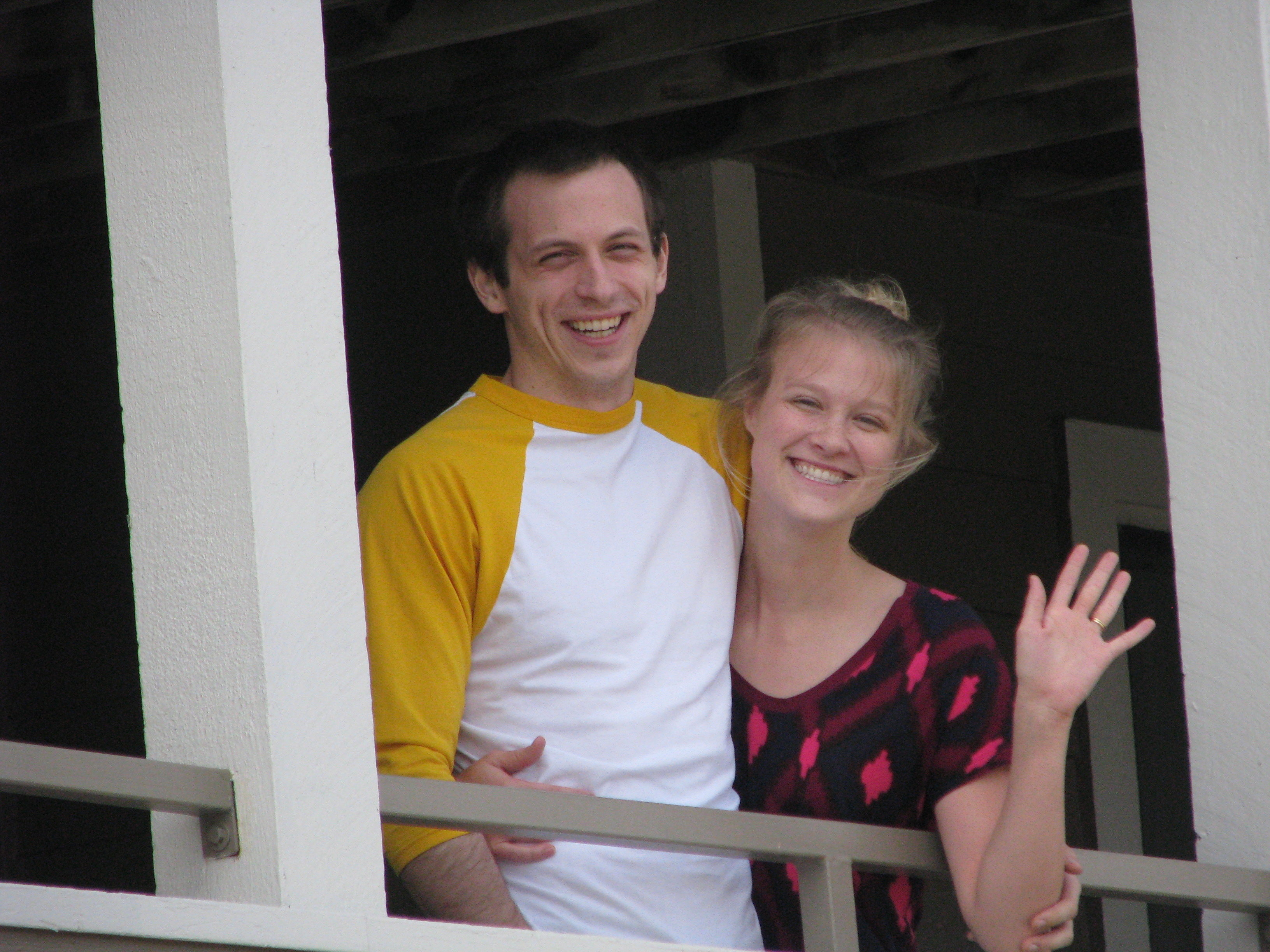
On Sunday, PB and I took a little roadtrip to Ames, Iowa. “Ames, Iowa?” you ask. Yes, indeed. Because that’s where our daughter, Anna, and her husband, Dan, live. We hadn’t seen them since last December and she offered to make us meatballs, so we went.
Ames is a friendly place.

It was windy the whole time we were visiting. Must be why they are called the Cyclones at Iowa State.

Dan and Anna have a cute little apartment decorated all Anna-style. The meatballs were delicious. I’m just sorry I didn’t take a picture of them.

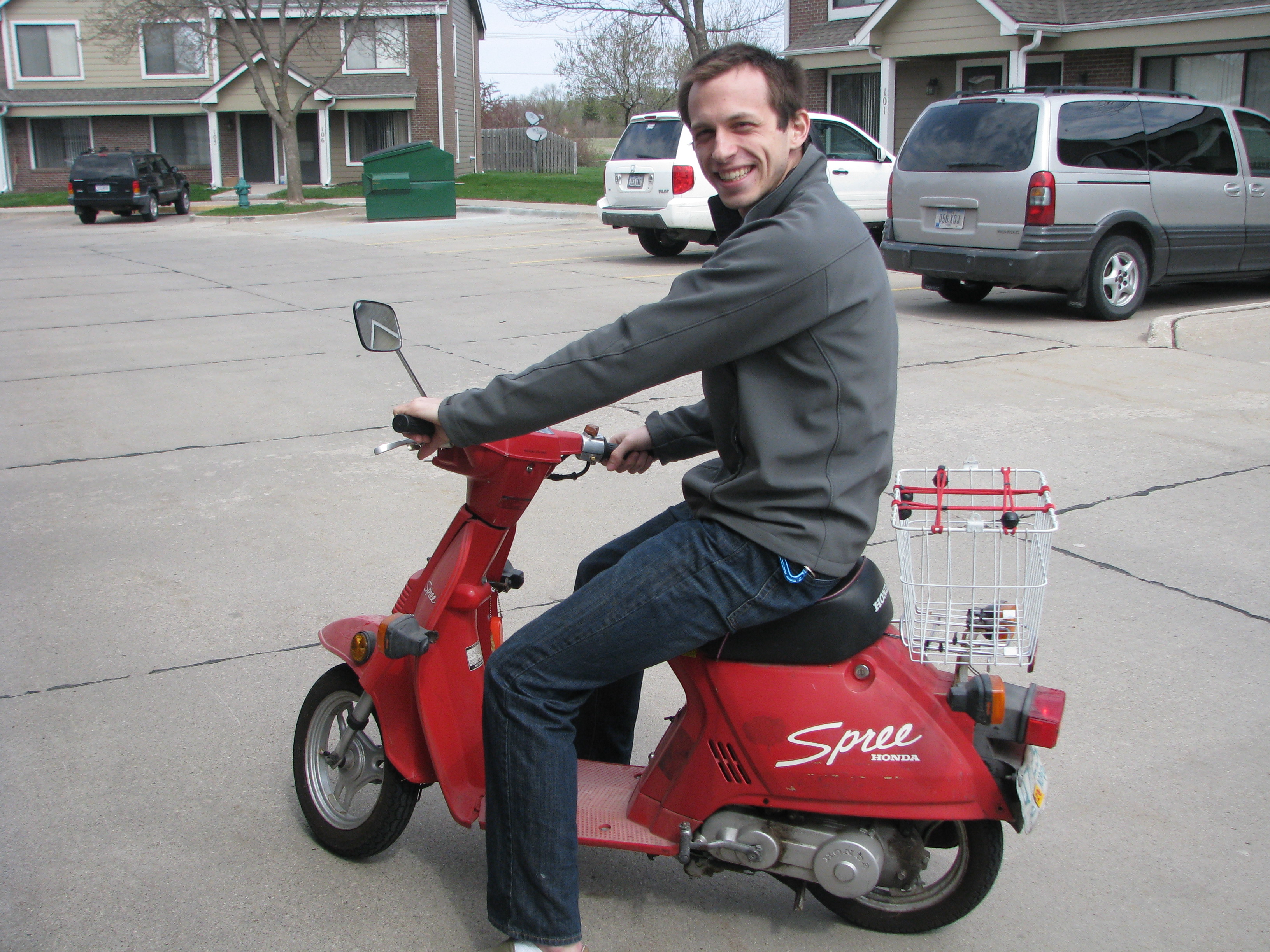
We brought the Spree along and handed the keys over to them. The scooter just doesn’t work for 6’5″ boys who weigh 200 lbs. (All muscle.) Anna took it out for a ride.
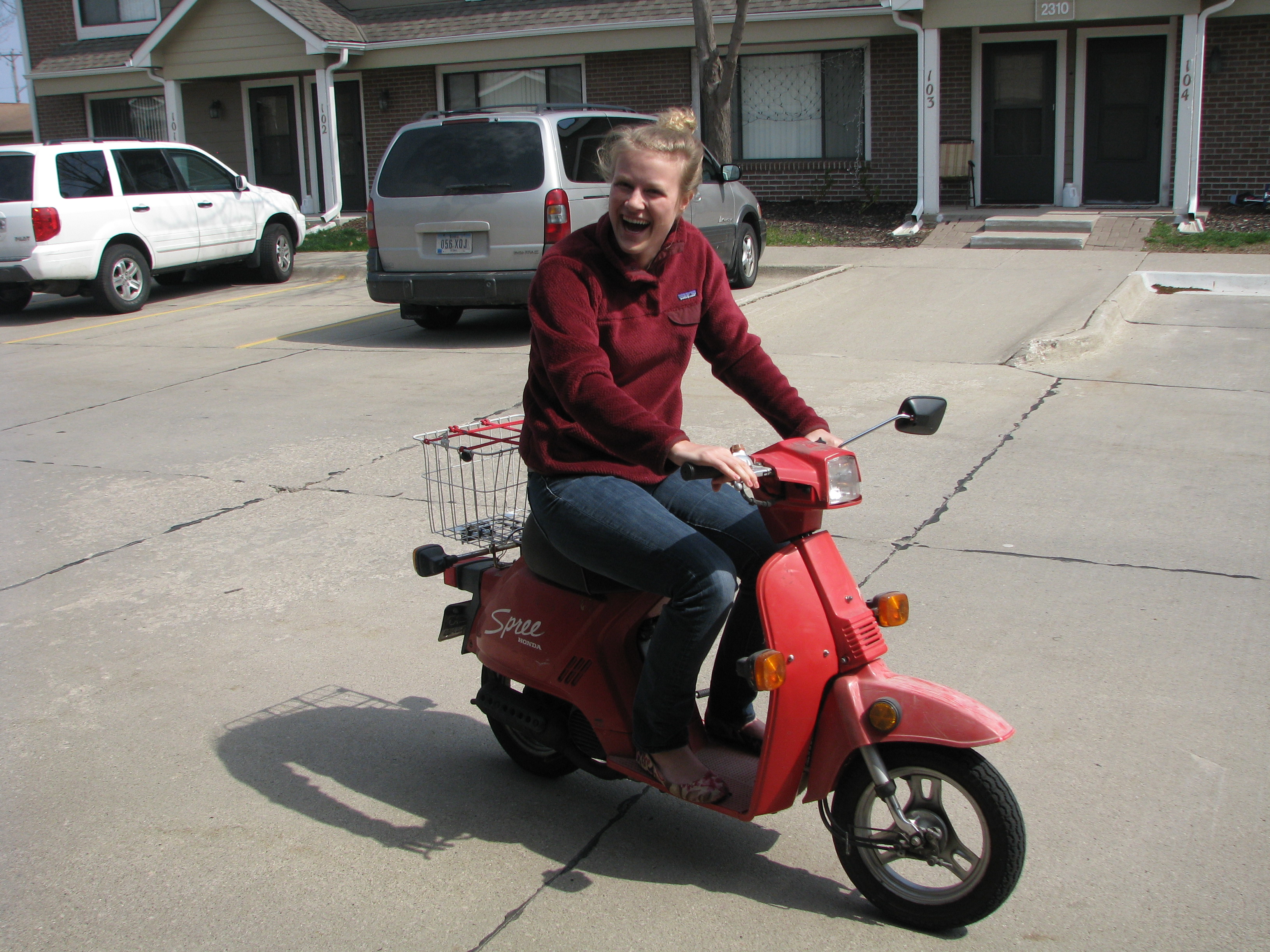
Then Dan took a spin.
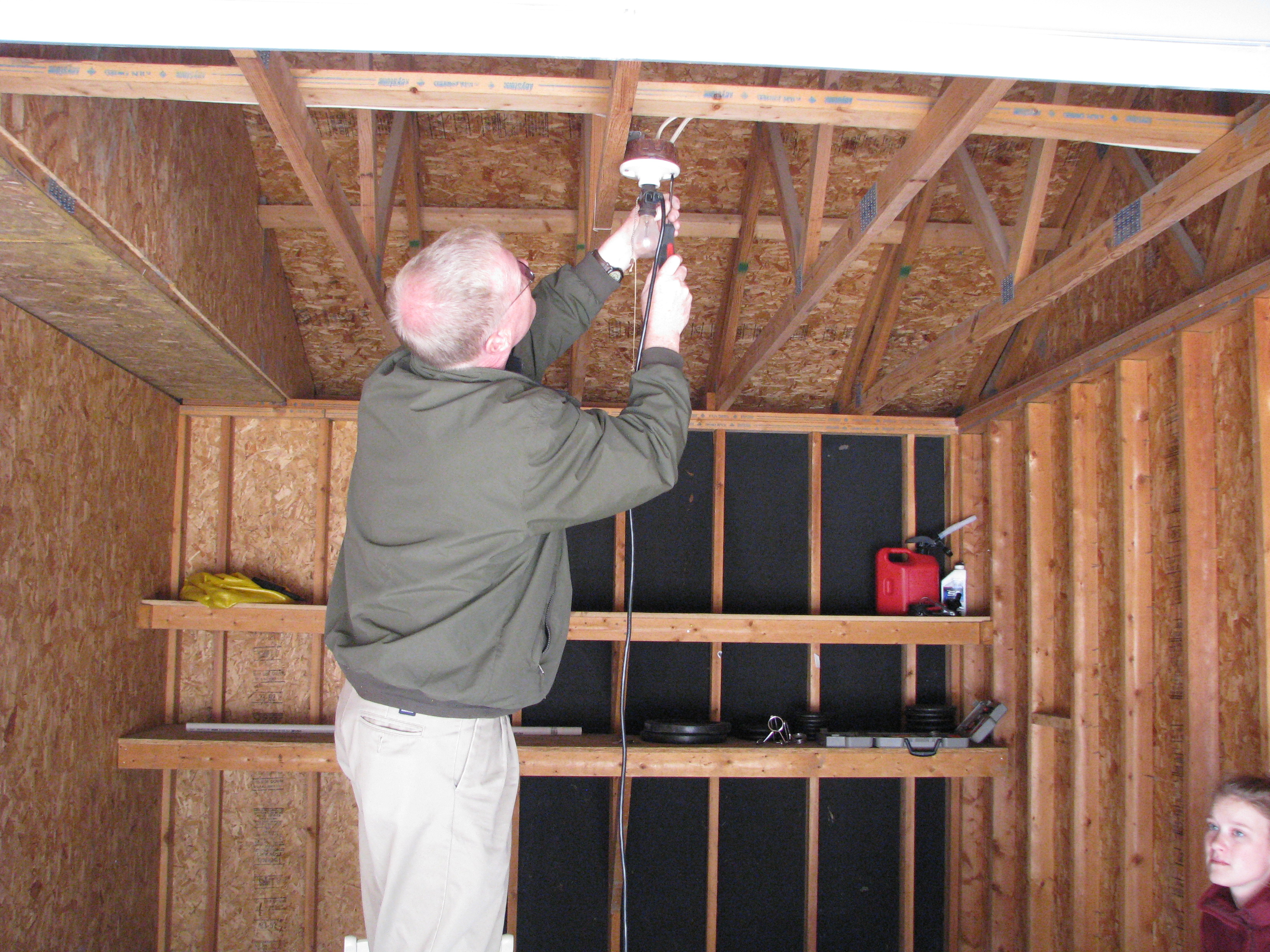
While Dan was out, PB fixed the light socket in their garage. Because PB has to fix something when he goes visiting the kids.
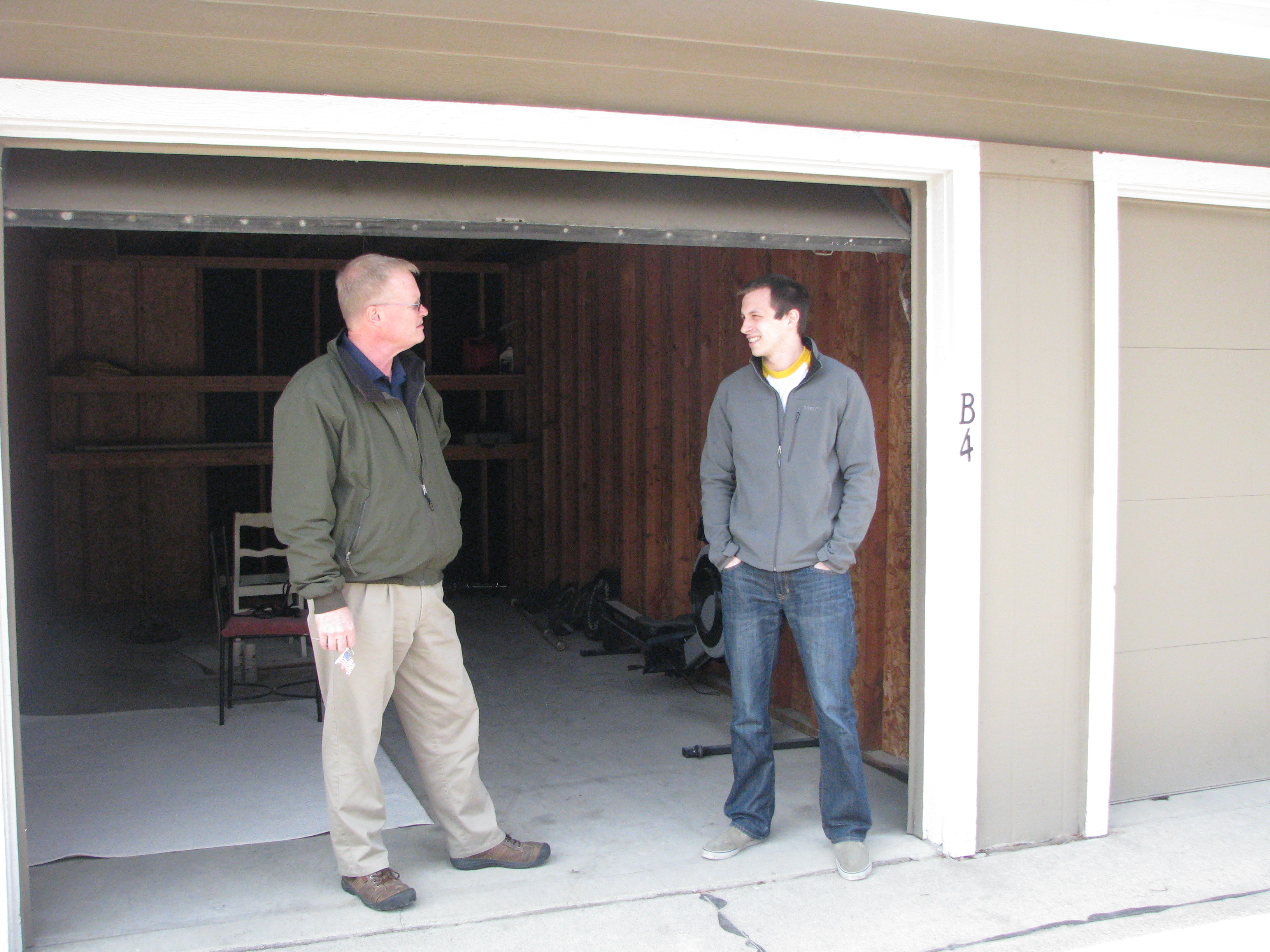
When Dan got back, the men talked about garages and tools and cars and scooters. I went back in and ate some meatballs.
Anna and Dan took us to a very cool place for breakfast. They took us, but we paid. That’s what parents do.
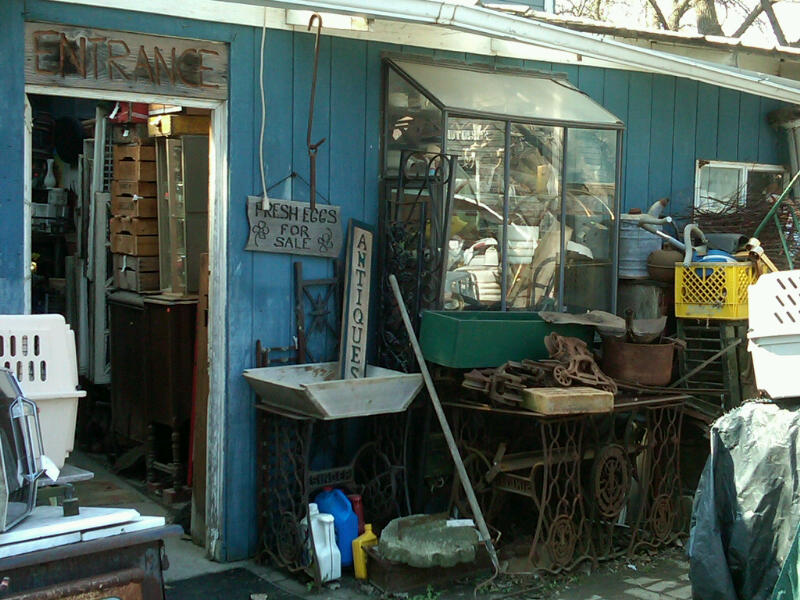
Then Anna wanted to show us her favorite antique store in town. It was……..interesting. We knew that this was a one-of-a-kind antique store right at the door.
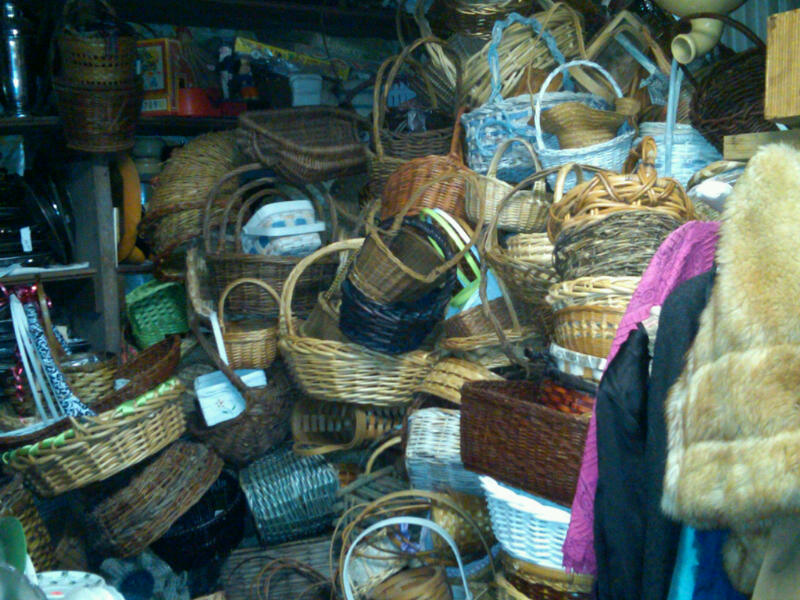
Like baskets? There were piles of baskets.
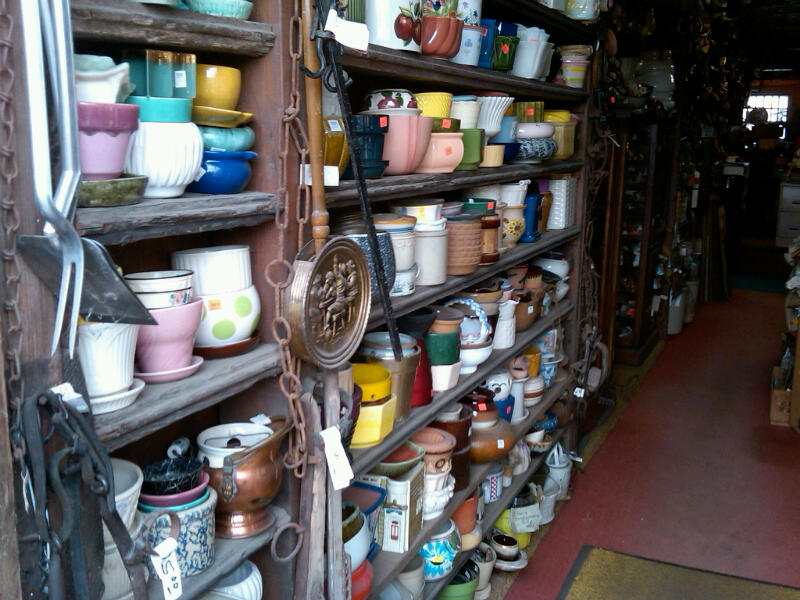
Or maybe dishes? There were stacks of dishes.

There were pots and vases as far as the eye could see.
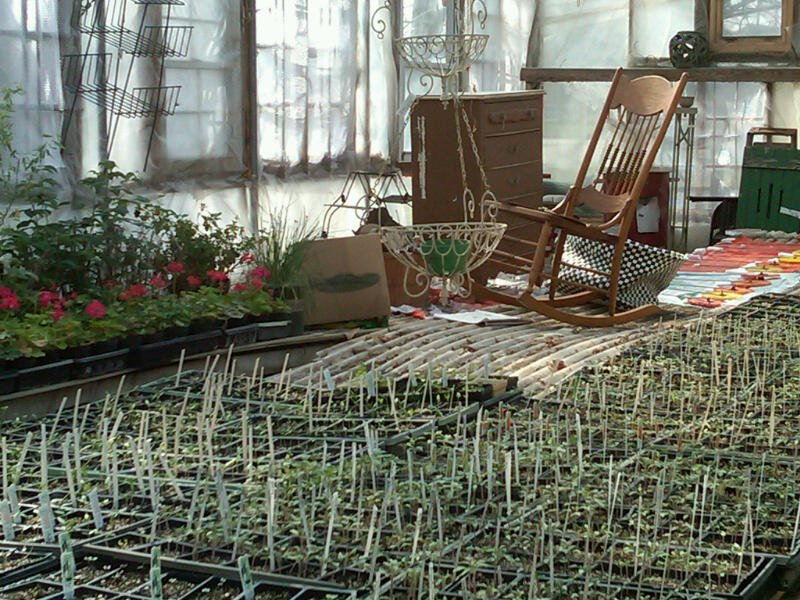
There was a greenhouse in the back of the store….and a rocking chair…
Outside there was a real nice pile of pots.
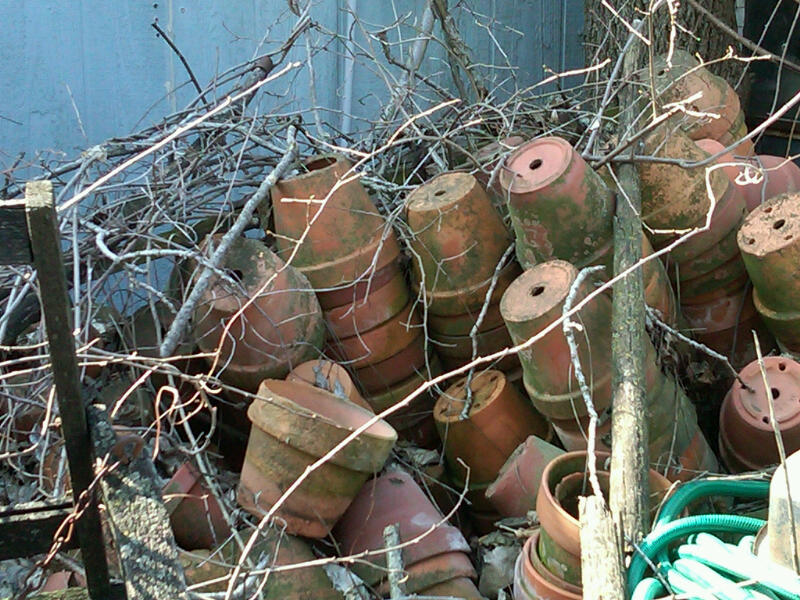
Thankfully, they had an overflow shed. Look carefully: it’s full all the way up to the top window.
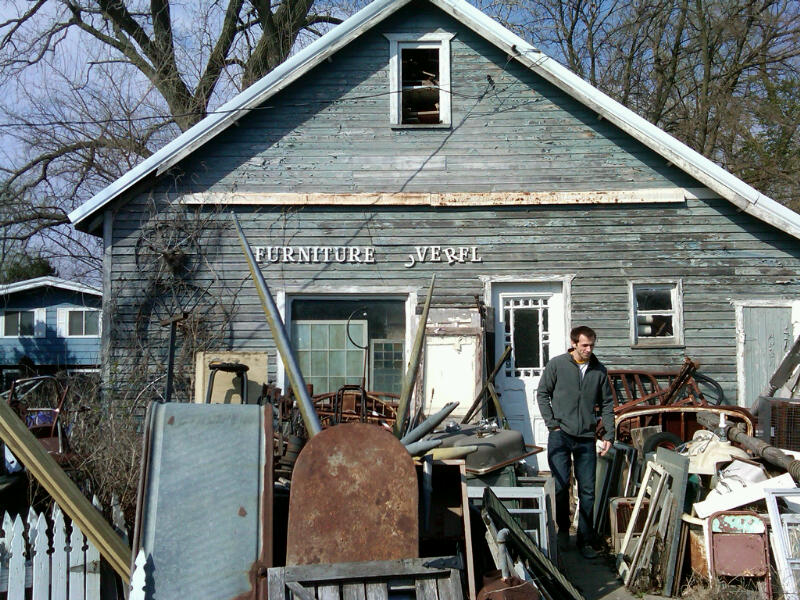
We had a great time with Dan and Anna.

They’ve gotten off to a good start.

Cake Pops Revisited
I distinctly remember saying, “I’m never going to make another cake pop as long as I live.” But that was last summer, when the freezer was overflowing with hundreds of the little rolled up bits of cake glued together with frosting. (See July 14, 2011 post “Wedding Countdown Day 30) How many did we make again? Was it 278…..or 354….or 1 kazillion? Today I discovered that making one batch of pops is rather enjoyable. There were three good reasons to revisit the world of cake pops this weekend.
1) A day after our daughter got married last August, Kate (a friend of mine who attended the wedding) unashamedly confessed to me that she must have eaten at least 10 cake pops at the reception. We discussed at length whether the chocolate, strawberry or vanilla treats were the better choice. She was ahead of me on that one – I had only sampled the vanilla, so I valued her expert opinion. I was so happy that someone had received such pleasure as a result of my hours of baking, rolling and dipping. Her appreciation just oozed and I thought, “Now here’s someone who deserves her own batch of cake pops someday.” Since it’s Kate’s birthday tomorrow, I decided now’s the time. I love cooking for people who ooze with appreciation.

2) Our niece, Meghan, got married today. The wedding was in Texas and we weren’t able to be there. She’s a dear, sweet girl and we love the whole family so much. PB asked if we could watch the wedding on Skype and they were able to pull it off! At about 2:00 this afternoon, PB came in from cleaning the garage, I washed pink candy coating off my hands, and we sat down to witness the blessed event. We were so grateful to be able to hear the wedding vows and see how beautiful Meghan looked on her wedding day. So I dipped a few cake pops in honor of Meghan and Randall.
3) This week a little friend of mine got a new baby sister. Maggy comes to the preschool Sunday school class and sits in the pew behind me in church. She has the longest darkest eyelashes you ever did see. Big sisters need their own bucket of cake pops, I’m positive.

I guess there’s one more reason…. I caught PB looking longingly at the row of fresh pops. Happening to find one with a crack in it, I asked him to please dispose of it, which he did with pleasure. He’s helpful like that.

Old Friend: Into the Depths of God
 Ever since I wrote the post “Old Friends” (Nov. 14, 2011), a thought has been brewing in my head. (These things take time…) All those notebooks filled with deep and delicious words that I copied out of my favorite books are just sitting on my shelf. It seems like such a shame. So, I’ve decided to share some of my old friends here from time to time. I hope the quotations inspire you for a moment or more. Perhaps they will whet your appetite for the book or author and you can make some new friends of your own.
From “Into the Depths of God” by Calvin Miller:
“Bathos (Greek word for ‘deep’) is a word I really discovered at the Great Barrier Reef. My son had come to scuba dive while my wife and I snorkeled. While my son plunged deeply beneath clear waters to bury himself in the wonder of the mysterious ocean depths, my wife and I, wearing masks, only floated on the surface facedown.
In some ways, what we were all seeing looked the same. However, the truth is that the content of our experience was greatly different. We will both spend the rest of our lives talking about that experience and our enthusiasm will always be exuberant. But only our son really knew the Reef; he understood the issue of depth…. In some ways it seems to me that much of Christianity is a conversation of snorkelers talking to each other of scuba experiences.
The inscrutable glories of the deep cannot be described to those hooked on the safety of shallowness…. We can see that the tide pools hold no deep adventure. We can even feel the lure of the dark and haunting indigo of the ocean’s soul. Still, we balk at real inward adventure. Our shallow spirituality holds nothing profound, but it is safe.”
On prayer: “I suspect that the difference between a person of seasoned prayer and one of smaller prayer experience is the amount of time they spend talking rather than listening. I used to be troubled by Paul’s admonition to ‘pray without ceasing’. I now believe this is only possible to those who have had enough significant prayer experience to make the listening prayer the largest part of their praying. Those whose prayers are unending monologues make themselves a giant mouth while making God a small ear. St. Anthony said that the best prayer comes when we no longer remember we are praying.”
On time: “We cannot possibly flatter the Almighty by hurrying into his presence, flinging a song and a prayer at him, and hurrying out of church back into our hassled lifestyles. God is never flattered by our sanctified exhaustion… God does not wear a watch. His unthinkable glory is learned only in our time-consuming communion with him… All watches must be checked at the gates of the throne room. Real relationships never keep their eye on the clock… The believer who wants an in-depth affair with Christ must not allow time clocks and ledger sheets to destroy that wonderful holy leisure by which we make friends with God.”
What are your thoughts, my Small Drop friends?
No man can be called friendless who has God and the companionship of good books. ~Elizabeth Barrett Browning

How’s Your Psoas?
 I didn’t know I had a psoas until today. Evidently, it was out of whack. Thanks to my wise and wonderful chiropractor, it’s back where it’s supposed to be, doing what it’s supposed to be doing. A quick adjustment was all it took. According to wisegeek.com, “The psoas muscle is a major muscle in the human body, responsible for stabilizing the base of the spine, allowing the spine to flex, and rotating the hips for a free range of movement.”
And I thought I had a pain in the neck.
This morning’s experience has got me thinking. How much of my trouble on the surface is really due to a deeper issue? For instance, if I’m being critical, is there a pride problem attached somewhere underneath? Or if I get discouraged, am I dealing with an insecurity in the pit of my soul? Perhaps a bad mood is really indicating a root of selfishness. Maybe that discontent reveals an ungrateful spirit. When I’m being a pain in the neck, it might be due to some inner condition that needs attention.
Once again, I am reminded how badly I need to check in regularly with my spiritual Adjuster. The Holy Spirit is able to look at the outer parts of my life, yet see what is going on down deep. If I allow Him to tweak those tender spots, I am sure to become free and flexible, better able to serve. There is no doubt that without His stabilizing presence, I can get all out of whack.
So, how’s your psoas?

Winter in Wisconsin
I’m not sure what’s going on, but I like it.
This is what our deck looked like this morning.

This is what our deck looked like this afternoon. And it’s still winter.
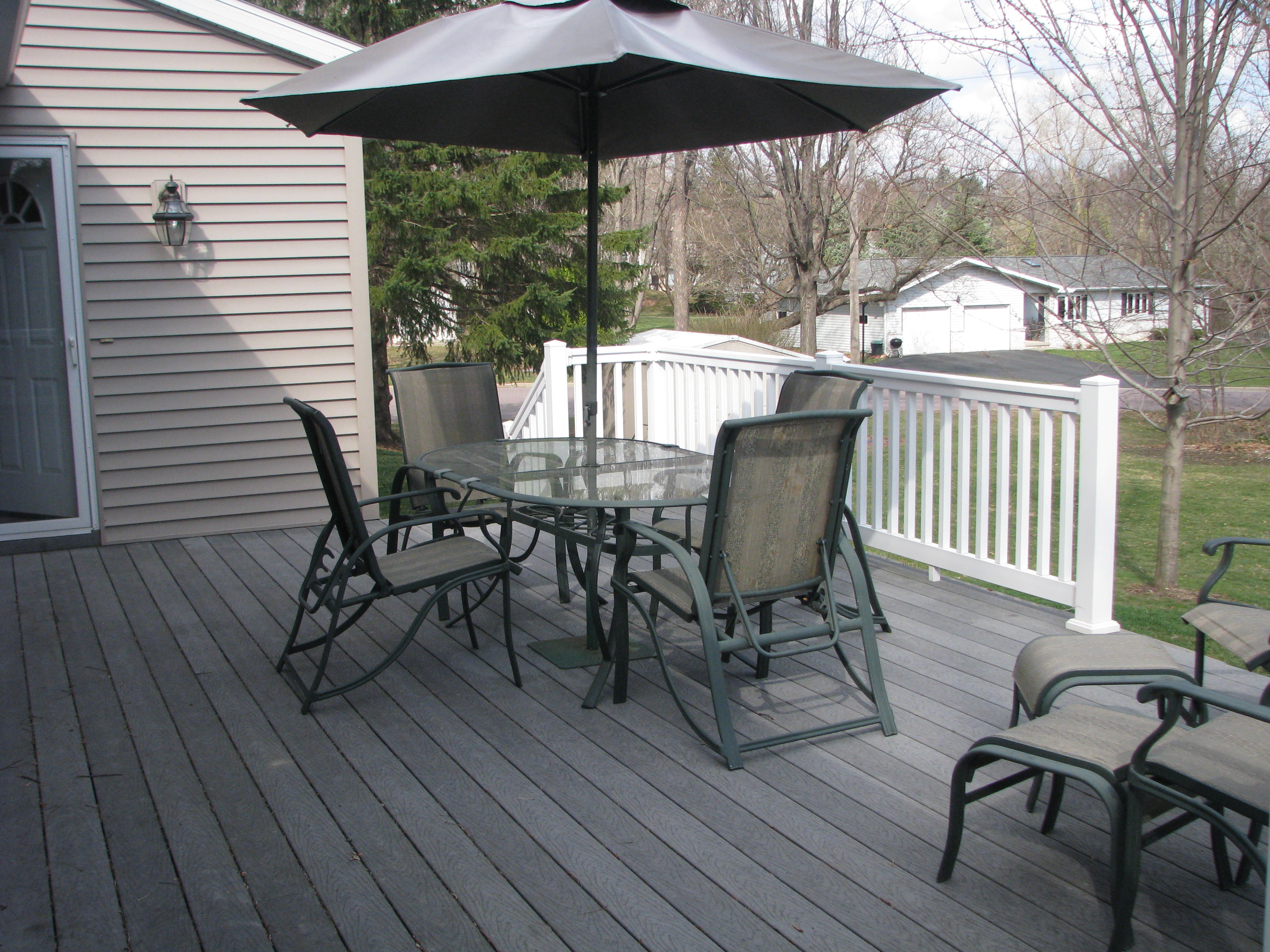
This is what our front porch looked like this morning.
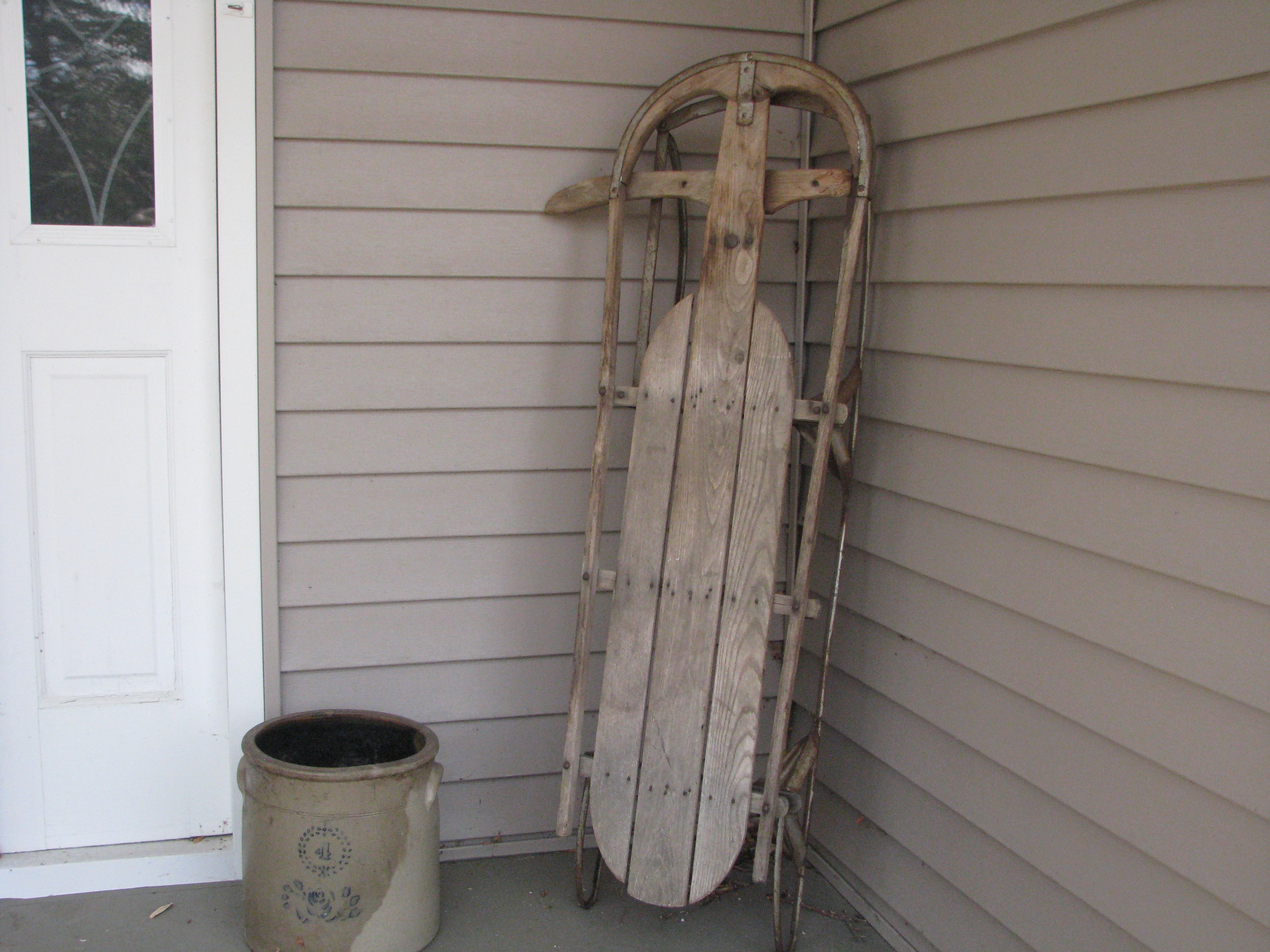
This is what our front porch looked like this afternoon. And it’s not even spring yet.

So I decided to take down the snowmen.

And put up the spring bunnies.

I don’t know what’s going on, but I like it.

Saving Daylight
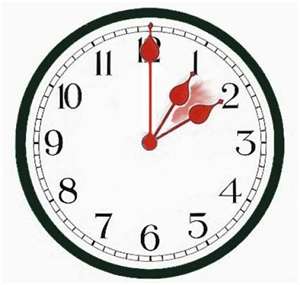 First, we had to add a whole day to February, and then we had to give up an hour. All these clock and calendar changes are messing with me. I’ve heard that back in the old days, people used to get up when the sun rose and they went to bed when the sun set. Doesn’t that sound a whole lot easier?
Daylight Saving Time was first proposed by George Hudson in New Zealand in 1895. It seems that George was a great collector of insects. By the time he got off work in the late afternoon, there was precious little time to track down bugs, so he wrote and published a paper suggesting the time change. It got people talking, and bugs scurrying. Fifteen years later, an Englishman named William Willet was miffed at having to cut short his round of golf at dusk, so he also published a paper entitled, “The Waste of Daylight”. No one seemed to question the value of using daylight hours to hit a little ball around an open field. Finally, during World War l, Germany decided to shift the clocks ahead to save coal and make it easier to fight the enemy on summer nights.
All this to say: thanks to an entemologist, an avid golfer, and the Germans, we now spring ahead each year so as to save some daylight. It’s a funny world we live in. I thought you should know….
For he makes his sun to shine on bad and good people alike. Matt. 5:45

Monday Morning
You know your day isn’t getting off to a very good start when…..
…your toothbrush is missing from the cup in the bathroom…
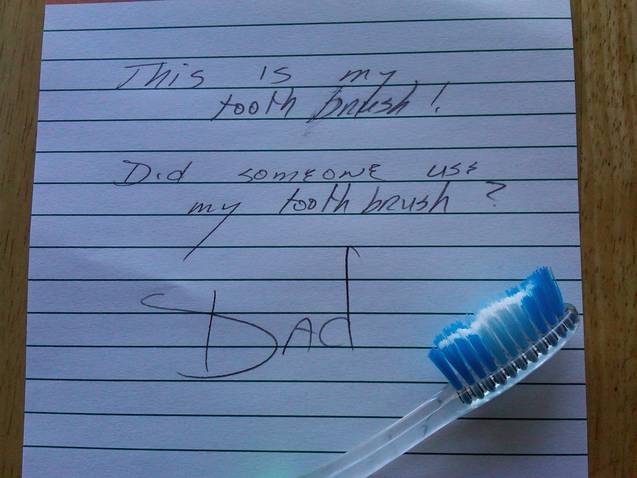
…and you find it by the kitchen sink….
(It wasn’t me, honey.)

Happy Day!
We have lots to celebrate today!
Our grandson, Hudson James, is one month old!

I was so blessed to have spent the first half of his life with him.
I miss you, Hud Bud. See you in May!
Today is PB’s birthday! He is 660 months old!
I’m so glad he was born on that March day. God knew I would need him.
Happy Birthday Honey!
One more happy note:
This is my 201st post here on Small Drop.
I never expected to last this long. I didn’t know that I had so much to say.
Happy Day!

Gravel for Gold
 Sometimes I think I should have been born in the 1800’s. I like the clothes they wore; I like the manners they had; mostly, I like the way they talked. From time to time I read Jane Austen just to get my fix. When I was out west, Katie and I watched two seasons of “Downton Abbey” which was great fun and made us want to talk in high British accents. However, there’s nothing quite like reading the language straight from the page and feeling those words roll off the tongue. Maybe that’s why I was so moved this morning by the following commentary by Alexander MacLaren, a Scottish preacher from the 1850’s. Read it slowly once or twice and let the truth of his words sink down deep.
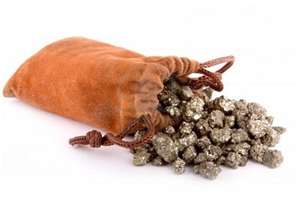
“We often court the coming of the evil influence, and are willing to be fascinated and to turn our backs upon Jesus. Mysterious it is, for why should men cast away diamonds for paste? Mysterious it is, for we do not usually drop the substance to get the shadow. Mysterious it is, for man does not ordinarily empty his pockets of gold in order to fill them with gravel. Mysterious it is, for a thirsty man will not usually turn away from the full, bubbling, living fountain, to see if he can find any drops still remaining, green with scum, stagnant and odorous, at the bottom of some broken cistern. But all these follies are sanity as compared with the folly of which we are guilty, times without number, when, having known the sweetness of Jesus Christ, we turn away to the fascinations of the world.”
Mysterious it is, indeed…


