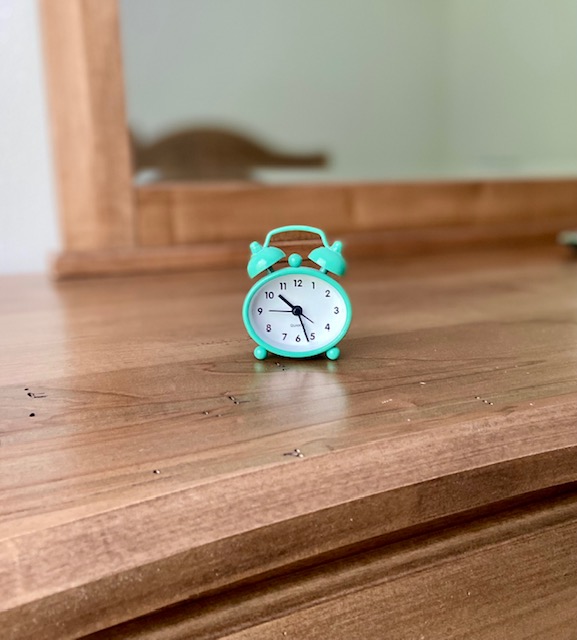
Transformers

Megatron, Optimus Prime, and Bumblebee weren’t the first Transformers.

Before a yellow Volkswagon Beetle morphed into a mighty robot warrior,
transformation was quietly happening all around us.
I have proof.
It happened on my kitchen counter.

Monarch caterpillars hatch and feed on milkweed plants. I don’t know all the science around it, but while milkweed is considered toxic to most insects, these guys gorge themselves on the sticky, gooey stuff this plant oozes.

PB brought home six of the striped crawlers.
We outfitted each one in its own cozy glass house
and fed them milkweed daily.

Free from predators and lawn mowers and thunderstorms, these guys thrived. Life was good. Fresh food magically showed up, piles of worm poop were disposed of, and giants on the other side of the glass seemed to be enthralled.

Then one day, this happened.
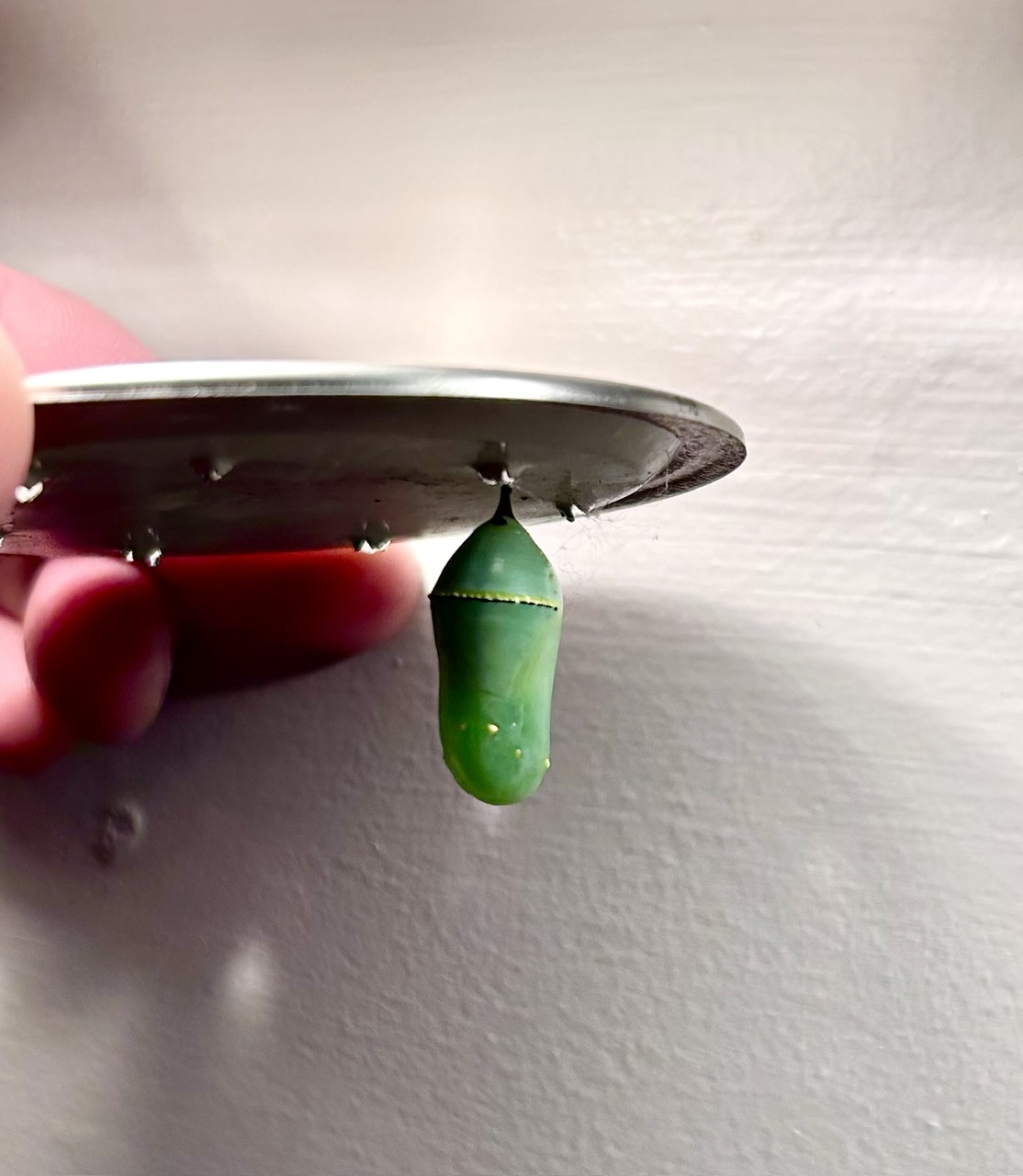
Then this happened.
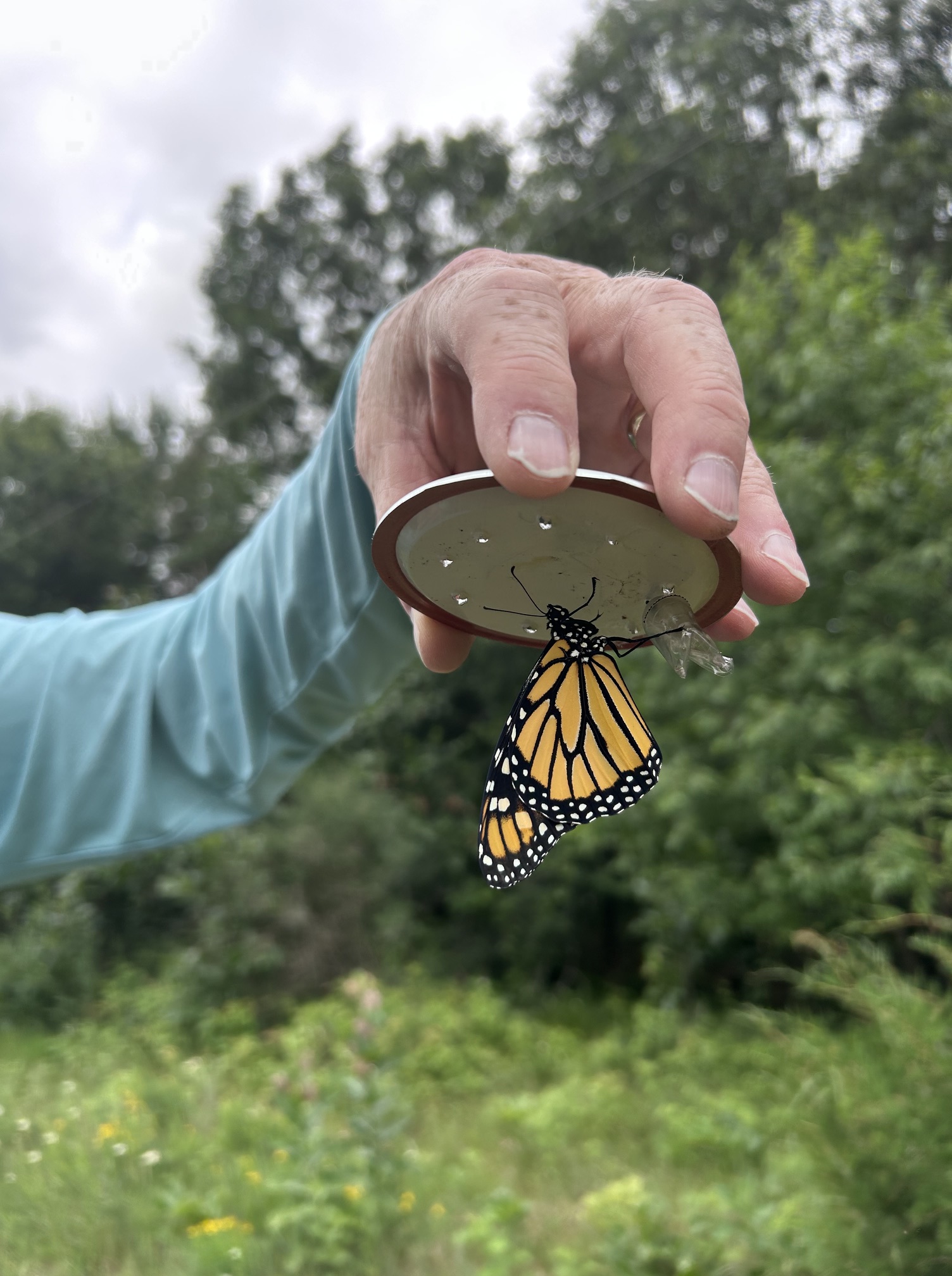
I know.
This is a Kindergarten science project.
You’ve seen it all before.

I’d like to invite you to pause and think about it.
Ponder the beauty.
Meditate on the wonder of metamorphosis.

When Paul wrote to the church in Rome, he said,
“Do not be conformed to the pattern of this world, but be transformed.”
Romans 12:2

The Greek word Paul chose was “metamorphoo.”

Jesus-followers are supposed to be Transformers.

Our life apart from Christ was like being a wormy thing—
stuck crawling on the ground,
eating toxic goo.

The Spirit of the Lord takes such lowly beings as us
and completely changes our form,
making us new creatures who can rise to new heights.

“If anyone is in Christ,
he is a new creation.
The old has gone,
the new has come.”
2 Corinthians 5:17
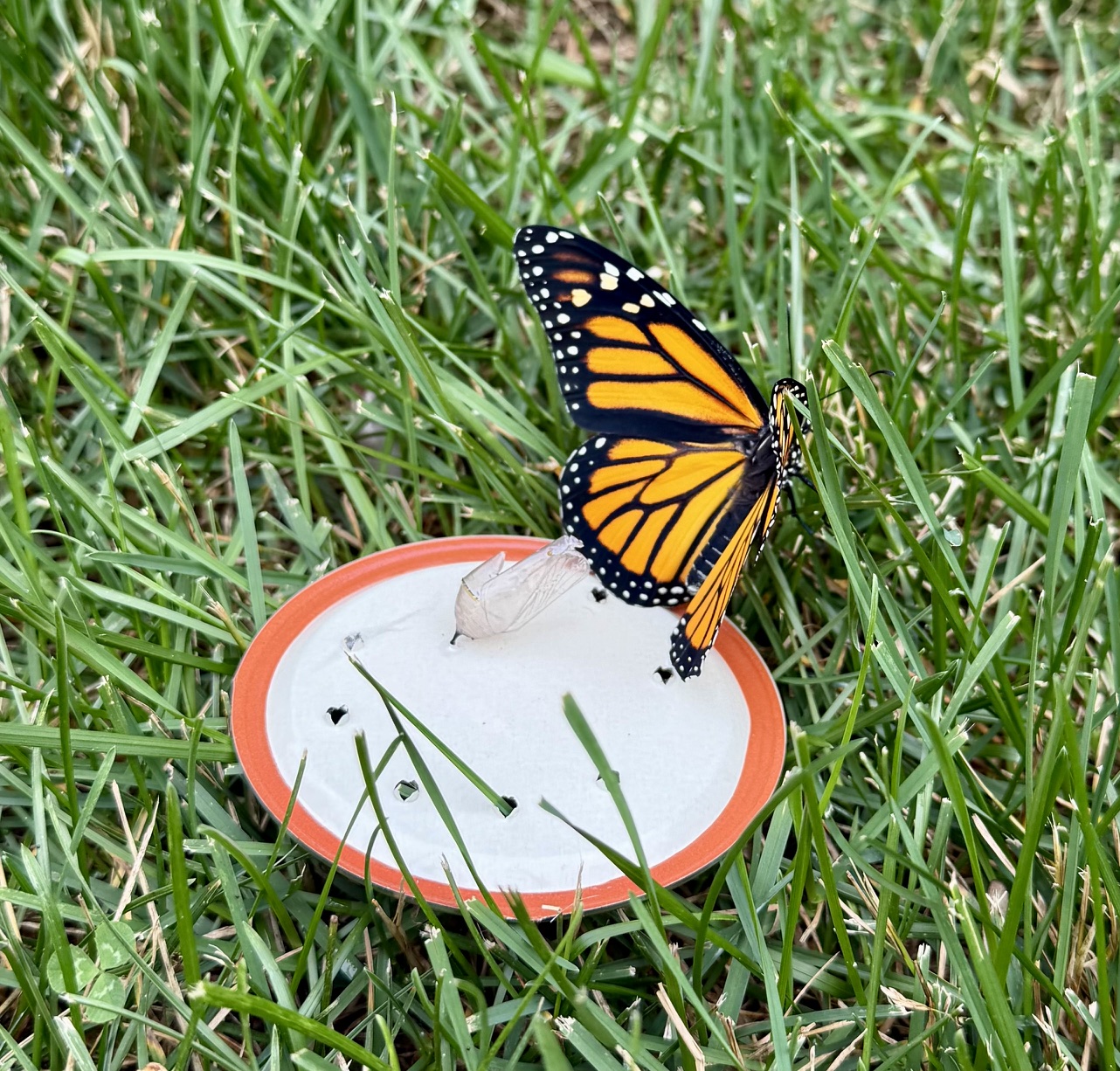
Brain Rot

Brain rot is the Oxford Word of the Year for 2024.
What does that say about us?

brain rot (n.) Supposed deterioration of a person’s mental or intellectual state, especially viewed as a result of overconsumption of material (now particularly online content) considered to be trivial or unchallenging.

Brain rot
beat out five other words that were under consideration for the honor:
demure
dynamic pricing
lore
romantasy
slop

The Newport Institute released a report outlining the dangers of this phenomenon. The academic paper concluded with a list of ways to prevent the alarming social trend that is causing our brains to disintegrate.

1. Don’t sit in front of screens all day.
2. Consider unplugging completely.
3. Go outside and take a walk.
4. Get a hobby.
5. Talk to real people face to face.

Does the fact that I had to use the internet to find out this information mean I’ve just succumbed to the prevalent rotting of our collective brains?

Wow.
I think we’re in trouble.

At least “slop” didn’t win.

slop (n.) Art, writing, or other content generated using artificial intelligence, shared and distributed online in an indiscriminate or intrusive way, and characterized as being of low quality, inauthentic, or inaccurate.

Whoo boy.

The Psalmist spoke for God in Psalm 81:11-12.
“My people would not listen to me,
so I gave them over to their stubborn hearts
to follow their own devices.”

Surely this isn’t referring to our devices. Or is it?

“Do not conform any longer to the pattern of this world,
but be transformed by the renewing of your mind.”
Romans 12:2

Time for the Ordinary

I like the rhythm of the church calendar and the seasonal celebrations that go with it. Those meaningful markers provide a framework that shapes the days, weeks and months of the year. Advent, in December, prepares us to enter into the Nativity story. In March or April we observe Lent, focusing on the cross, which leads up to Easter and the triumph of the empty grave. In May, we rejoice in the Ascension of Jesus and the coming of the Holy Spirit.

But what about now?
What high and holy day is next?

According to the 2024 liturgical calendar, May 20th through November 30th marks a season called “Ordinary Time.”

Ordinary Time.

It turns out that this season is the longest, which seems fitting.

So many of our days are routine, unremarkable, commonplace.

Could Ordinary Days be the best days of all?

No gifts to buy, no decorations to create, no traditions to uphold.

No cut-out cookies, no chocolate bunnies, no hustle and bustle.

Instead,

a day to wake up and walk in the early morning air,

a day to make some sandwiches and wash some dishes,

a day to pull some weeds and arrange some flowers,

a day to love some people and serve some brothers and sisters,

a day to laugh or cry or wait or move,

a day to lift my eyes and and listen for trumpet sound —

any ordinary day in Ordinary Time can become extraordinary.

Welcome to Ordinary Time, my friends!

Celebrate this extraordinary day!

Take your everyday, ordinary life—
your sleeping, eating, going-to-work, and walking-around life—
and place it before God as an offering.  
Romans 12:1
The Message