The Desert Comma

Never underestimate the power of the lowly comma.
There’s a big difference between
“Let’s eat, Grandma!”
and
“Let’s eat Grandma!”

Commas in prose, poetry, and song lyrics give us a breathing place which is important because some sentences run on and on without coming to a natural conclusion creating a difficult situation when reading aloud thus making the reader a bit light-headed with no place to catch a quick breath.

(The best run-on sentence ever is found in Ephesians chapter one, where Paul expounds — in Greek — for twelve verses without a period. The English translation, thankfully, divvies up the passage into eight sentences, but still uses 18 commas.)

Why all this talk about commas?

Every Advent, I wonder about the punctuation mark in Isaiah 40:3. The prophet Isaiah speaks words of comfort to his people and then tells them to “prepare the way for the Lord.”

Some versions say,
“A voice of one calling in the desert, prepare the way for the Lord.”
Some versions say,
“A voice of one calling, in the desert prepare the way for the Lord.”

It’s subtle. And maybe it doesn’t really matter.

If I had any say, though, I’d vote for the second one. Here’s why:

Thirty-one years ago today, PB and I were sitting in the intensive care unit at Marshfield Hospital with our nine year old daughter. She was diagnosed with Stevens-Johnson Syndrome, a rare and serious disorder of the skin and internal membranes. We didn’t know if she would live through the traumatic ordeal. We didn’t know if we would, either.

The pediatric ICU at Christmastime feels like a desert. All grit, no refreshment, so stifling you can hardly breath. We did a lot of calling out in that desert room. But, strangely enough, we also found it to be a holy place, a wilderness with a highway that led straight into God’s presence. The Lord is prepared to meet us right there — in the driest, grimiest, and messiest of places.

We know this to be true
because He took His first breath
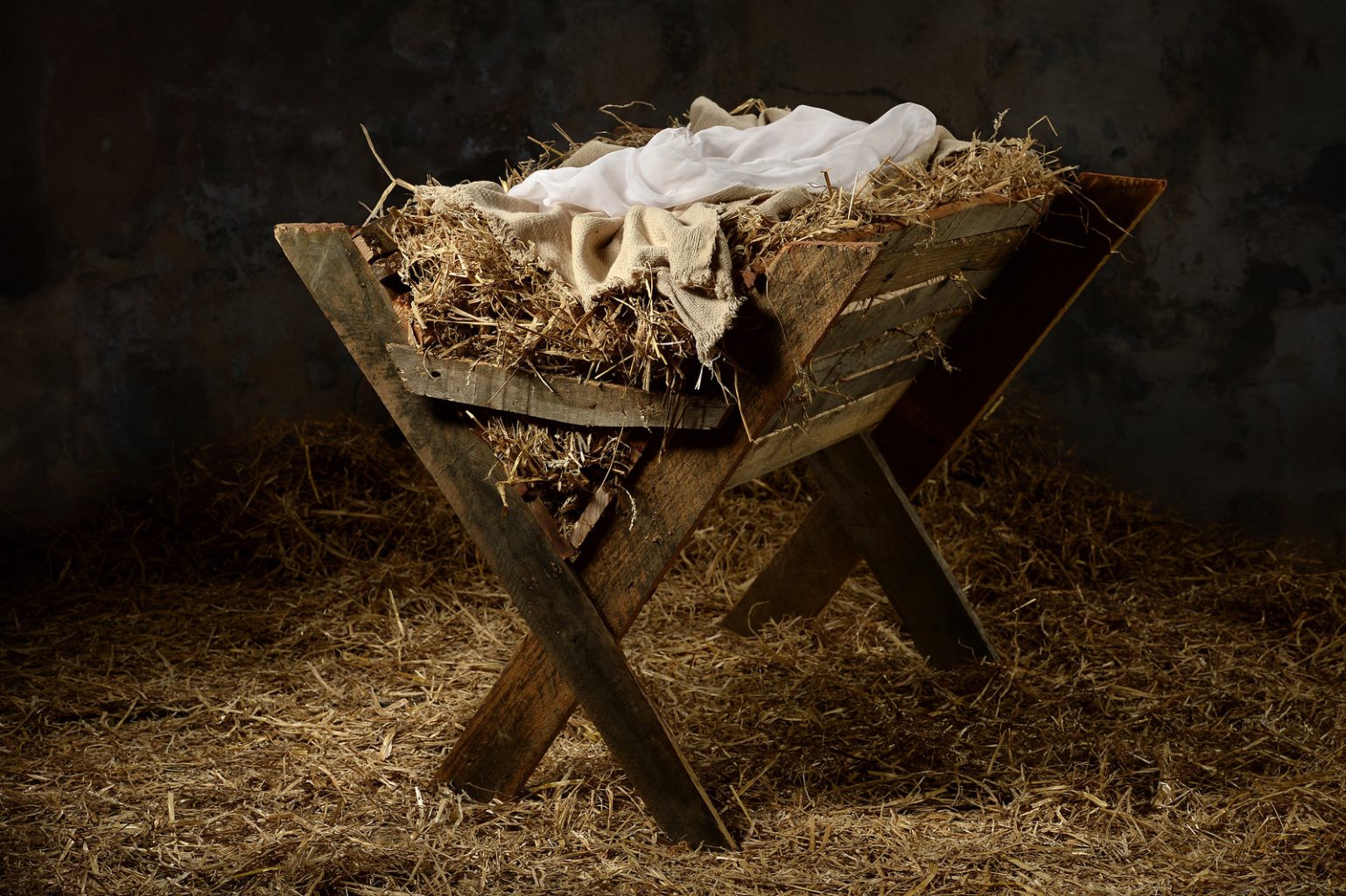
in a smelly, gritty, germ-infested barn.

The desert truly is the best place to prepare for His coming.
Silent Treatment

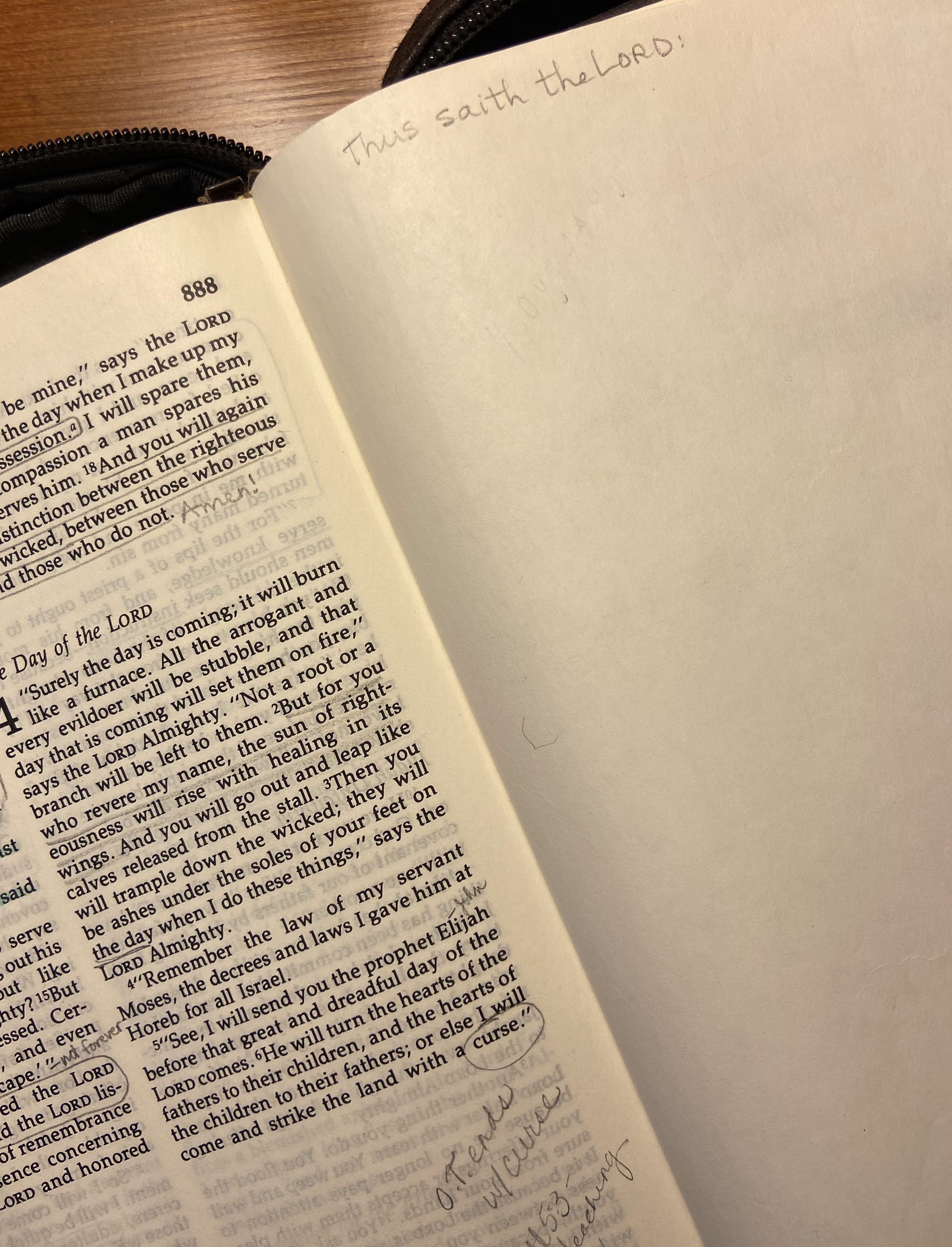
The prophet Malachi wrote the last word of the Old Testament sometime around 430 B.C. Then came four centuries of silence. No prophets spoke, no predictions were proclaimed, no judgements were called down on the wicked, no blessings were promised to the faithful. 

Nothing. 

Silence.

Most Bibles have a blank page between the Old and New Testaments. It’s there for a reason. Turn that page — and voila! — four hundred years have passed. A lot happened in the world during those forty decades. Empires rose and fell, wars were fought, discoveries were made.

But God didn’t speak.

It’s astounding that God’s people continued to watch and hope and pray for centuries. Somehow, each generation kept handing down the instruction: Wait. He will speak again.

Then He did. 

His first word after all those long years was,

“Waaaahhhhh.” 

He cried. 

The priests weren’t prepared for a baby’s wail. They expected God to sound more like a thundering voice coming out of smoke and fire. So they missed it. If we’re not careful, we could miss it, too.

Lord, give us ears to hear Your voice this Advent,
in whatever way You choose to speak.

Be Prepared

PB was a Boy Scout. He can still recite the Oath and the twelve points of the Boy Scout Law. More importantly, he continues to live by the Boy Scout Motto: Be Prepared.

My man isn’t a full-on prepper, but he has a little stash of canned food, water, and toilet paper. He keeps extra fuel on hand and has plenty of wood cut. It’s comforting to know we will be okay for a while if there’s a blizzard, or a food shortage, or a complete collapse of the American economy.

This is the season of holiday prep —
the yearly push to get the decorations up, purchase the gifts, send out the cards, etc.

This is the season of Advent —
a more essential aspect of these days as we prepare our hearts to welcome Him.

In 1719, English minister Isaac Watts wrote the poem “Joy to the World” after reading Psalm 98, which is a raucous celebration full of singing and shouting and jubilation. Even though we consider the hymn to be a Christmas carol, Watts didn’t have the birth of Jesus in mind as he wrote those inspired words. He was thinking about the second coming of Christ, complete with trumpet blasts and shouts of joy. Watts anticipated the sound of trees and mountains singing, rivers clapping their hands, seas resounding in praise. He relished the thought of God’s glorious righteousness breaking the curse of sin.

Jesus came the first time in meekness —
quietly, incognito, as a human infant.
Heaven sang,
but earth didn’t pay much attention.

Jesus is coming again in power —
loudly, indisputably, as Mighty God and Prince of Peace.
Earth will receive her King,
as both heaven and nature sings.

What a day that will be!

In the meantime,
we wait.
We anticipate.
We prepare.
This Advent,
let every heart prepare Him room.