A few years ago I joined the sourdough craze. My daughter gave me a jar with “starter” in it—a mix of flour and water that ferments and acts as yeast to make bread rise. I faithfully fed that gooey substance every week and kept the loaves coming.
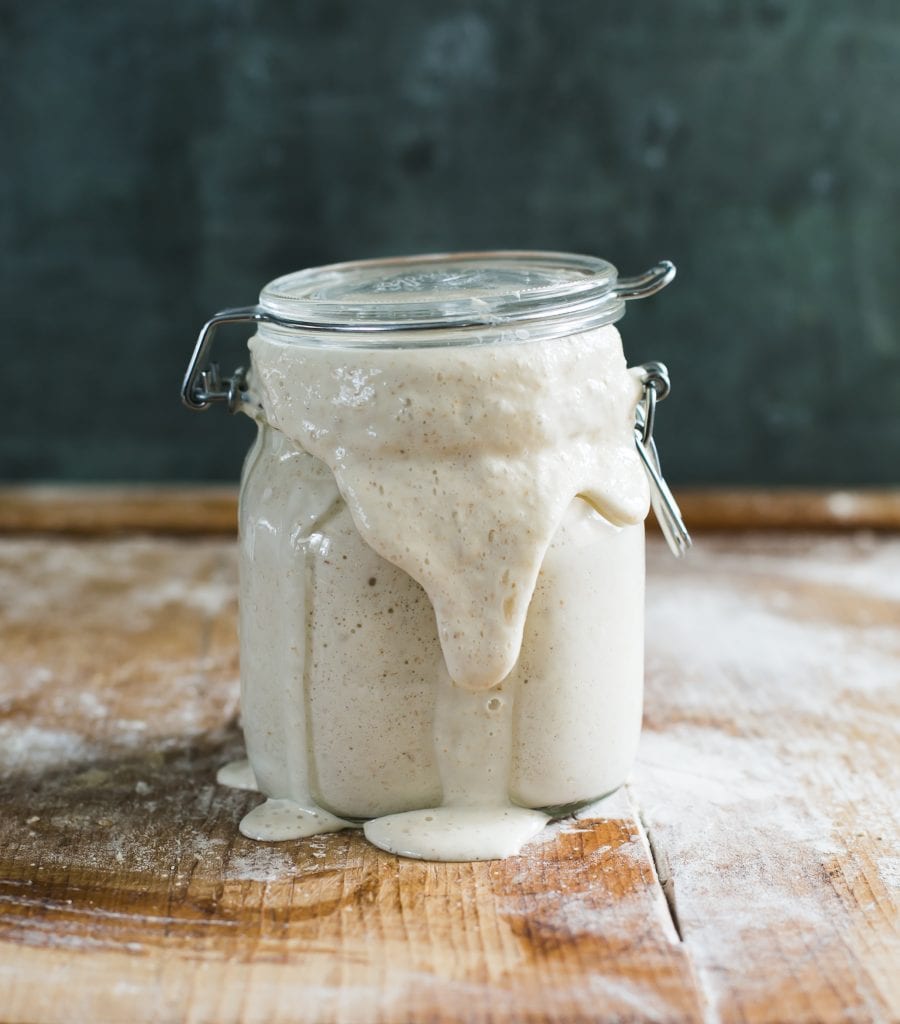
Ancient Egyptians were the first people to make sourdough bread, discovering fermentation by accident. Around 3000 B.C., Pharaoh’s bakers left a mixture of crushed grain and water out overnight. Wild yeast and bacteria from the air got into the dough and voila! The next morning they were greeted with a bowl spilling over with bubbly, pungent goop. They mixed it into their usual flatbread recipe and were rewarded with a light, airy loaf of tangy, soft goodness.
Egyptians had a scarcity mindset, especially when it came to food. No wonder they built those pyramids and filled them with stuff. No wonder they stored up huge quantities of grain. (Remember Joseph?) Fermentation was a way to increase their food security.
The Israelite slaves in Egypt ate sour bread for 430 years.
Imagine what it was like when God provided
a new kind of bread in the desert
and it tasted like honey –
a sweet bread.
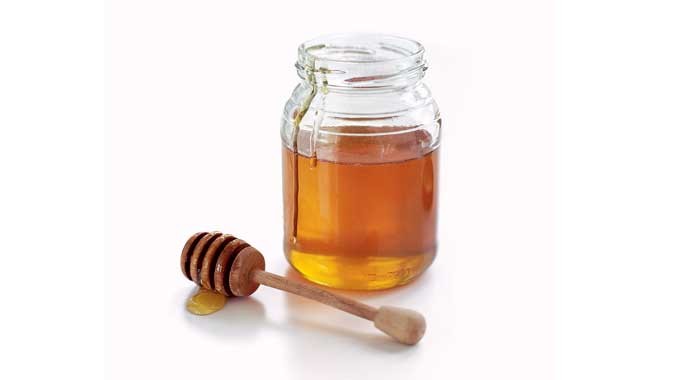
Slavery in Egypt was a sour patch of time for the Hebrew people.
But once they were delivered from slavery,
God gave them a taste of His sweetness.
Freedom—how sweet it is.
“If the Son sets you free, you will be free indeed.”
John 8:36


