Re-Construction

PB and I lived in this house when we were newlyweds.

To be more precise, we lived in a tiny one-bedroom apartment in the second story of this house. Every evening, I walked in through the massive wooden doors and climbed the sweeping staircase, just like the well-to-do lumberman’s daughter did when it was built in 1893.

One hundred years later, the house began to show signs of wear. It was put on the market for $1 with the contingency that it be moved, because the YMCA wanted the space for a parking lot.

A lovely, ambitious couple scooped it up and began a long journey of de-construction and re-construction. They took the house apart, piece by piece, labeling each board and foundation stone.
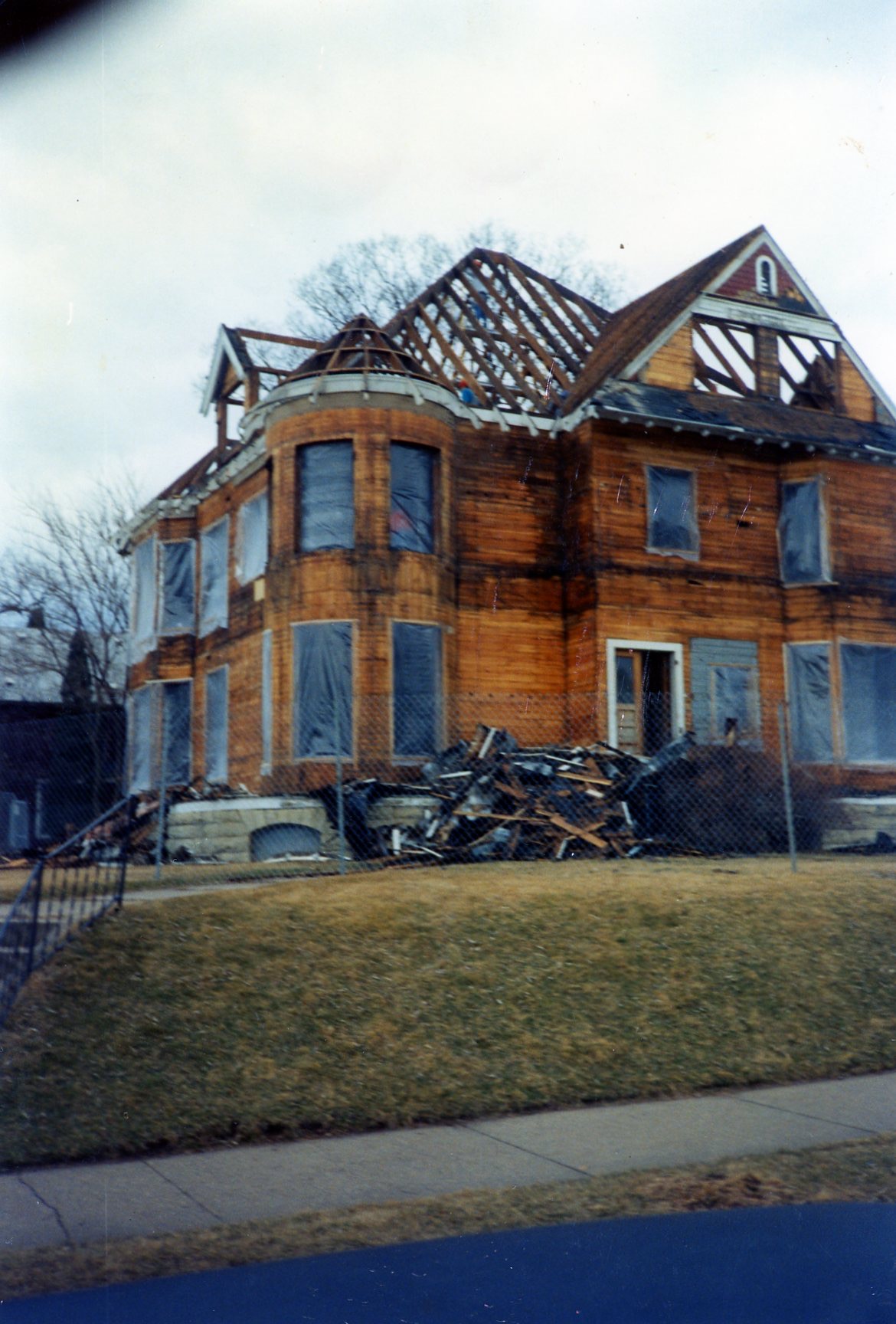
It was a massive undertaking.

In order to restore the home’s original glory,
they had to go through the painful process of de-construction.
It was hard work.
It took a long time.
It wasn’t glorious.

They were left with a shed full of bits and pieces—not a pretty sight.
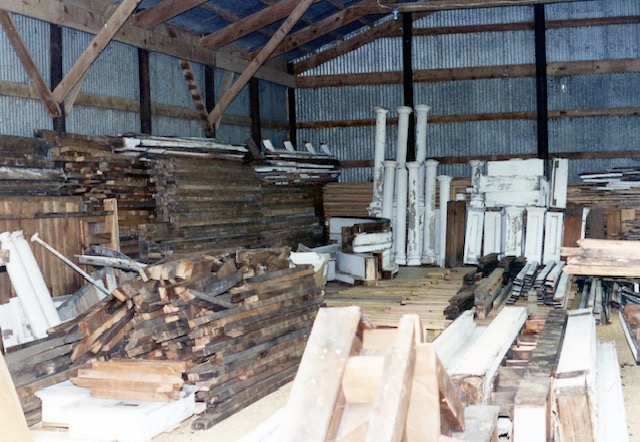
This is what de-construction looks like.

Eventually, the house was restored and life returned.
Once more, people walked through the majestic doors
and ascended the stunning staircase.

While de-construction was necessary,
it was never meant to be the final word.
The pieces were never meant to be left
in a pile in a barn forever.
Each piece was numbered.
Re-construction was always the end goal.

This is what re-construction looks like.

There is a time to tear down and a time to build.
Ecclesiastes 3:3

Pickling

This week I’ll finish reading through the book of Genesis (see my Bible Reading Plan for 2024). The story of Joseph and his brothers gets me every time.

Joseph was 17 years old when his siblings sold him into slavery. He served in the house of Potipher, one of Pharaoh’s officials, until wrongfully accused of sexual assault. Although he was innocent, Joseph was thrown into prison and remained there for 10-12 years. He spent the entire decade of his 20s locked up in an Egyptian jail.

Last week, I considered the idea of being “pickled“—the process of transforming a cucumber into a pickle, which takes time. Those jars come out of the water-bath canner, the seals ping, and they are placed on the shelf. Experts agree the jars should remain unopened for at least 4-6 weeks to allow for the process to continue. In other words, cucs need to be locked up in prison for a time in order to be fully transformed.

I can relate to going through seasons when I felt like I was “on the shelf”—waiting for something, anything, to happen.

A wise monk once said, “You’ve bought into the cultural myth that when you’re waiting, you’re doing nothing. When you’re waiting, you’re not doing nothing. You’re doing the most important something there is. You’re allowing your soul to grow up. If you can’t wait, you can’t become what God created you to be.”*

All those years in an Egyptian prison, Joseph was being “pickled”—growing up and becoming what God created him to be. He couldn’t hurry the process, but also, he wasn’t doing nothing.

Are you in a season of waiting?
You can’t hurry the process.
But you aren’t doing nothing.
You are being transformed.
“He has made everything beautiful in its time.”
Ecclesiastes 3:11

And that’s all I have to say about pickles.
(For now.)
(I don’t even like pickles.)

*When the Heart Waits, Sue Monk Kidd

A Time to be Silent

A very wise man once said,
“There is a time to be silent and a time to speak.”*
Wise words, indeed.

The story is told of Clement Attlee, who won the British General Election of 1945 in a landslide. Following the election, one of his opponents wrote him letter after letter, hounding Attlee with criticism on how he was doing his job. He attacked relentlessly, saying Attlee ought to resign. Finally, after having had enough of the constant harassment, Attlee wrote back saying, “A period of silence from you would now be most welcome.”**

There’s so much that can be said about Jesus’ final hours on earth. I’d love to compose finely crafted words that provide deeper understanding and appreciation for Christ’s sacrifice on our behalf. But right now, words fall short. It is time to be silent.

It’s Holy Week.
Shhh.
Watch.
Listen.
Take it all in.
Absorb the bread and wine of Maundy Thursday.
Weep at the foot of the cross on Good Friday.
Wait patiently with the world on Holy Saturday.
Be still.

A period of silence from us right now might be most welcome.

*Ecclesiastes 3:7
**From Trusting God in the Darkness, by Christopher Ash