My spell-check is trying to change Bema to Beam, but I have overcome. I have no thoughts to share on beams, but I do have something to say about the Bema.
What’s a “Bema”? Glad you asked. Here comes a history lesson.
The places of worship back in Jesus’ day looked nothing like our modern churches. In 1st century Israel, every village had a synagogue. And every synagogue had a Bema.
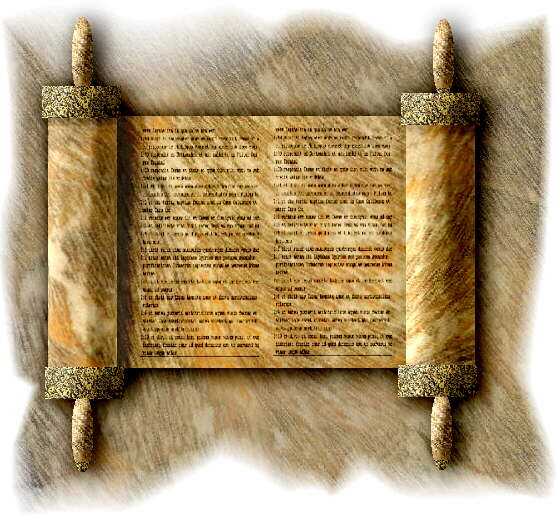
Synagogues were large, fairly plain spaces, where Jewish people gathered to worship Yahweh. Around the edges of the room were benches, like mini-bleachers, made of stone. Important people sat on the benches, while the common people sat on the floor, which was usually made of dirt or flagstone. In the center of the room was a small, slightly raised platform called the Bema. In the middle of the platform was a pedestal on which one of the Torah scrolls was placed. (Torah = the first five books of the Old Testament.) Someone would step up onto the Bema and read the Word of the LORD to the congregation.
On the Sabbath, the community came and gathered around the scriptures. The Word of God took center-stage. Because people were sitting in a circle around the Bema, they were able to look each other in the eyes. Each one could contribute to the discussion that followed the reading, although if a rabbi or special guest was in attendance, he was invited to speak.
As the disciples took the gospel to the Gentiles, many of the early Christians were Greek. Over time, the Greek influence was seen in Christian churches that were designed to accommodate larger groups, with a stage in front and rows of seats for an audience. As more time passed, the Bema was replaced by a pulpit. Worship consisted of sitting passively, looking at the back of others’ heads while professionals led from the stage. While scripture was still an important part of the worship service, most of the time was spent listening to one person expound. In Colonial America, a minister’s sermon could last several hours.
This may sound radical, but what if we went back to looking more like a synagogue than a theater? What if everyone came to worship ready to contribute? What if we beamed (!) a spotlight on the Bema?
It’s a crazy idea.
Your Word is a lamp to my feet and a light to my path.
Psalm 119:105



 a small drop of ink