This week I’ll finish reading through the book of Genesis (see my Bible Reading Plan for 2024). The story of Joseph and his brothers gets me every time.
Joseph was 17 years old when his siblings sold him into slavery. He served in the house of Potipher, one of Pharaoh’s officials, until wrongfully accused of sexual assault. Although he was innocent, Joseph was thrown into prison and remained there for 10-12 years. He spent the entire decade of his 20s locked up in an Egyptian jail.
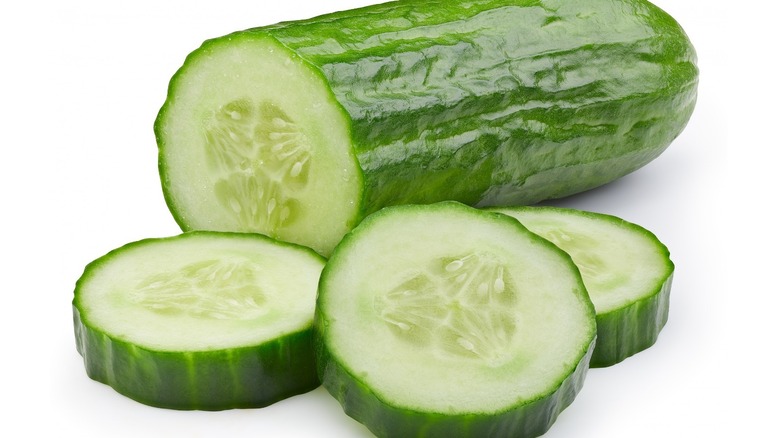
Last week, I considered the idea of being “pickled“—the process of transforming a cucumber into a pickle, which takes time. Those jars come out of the water-bath canner, the seals ping, and they are placed on the shelf. Experts agree the jars should remain unopened for at least 4-6 weeks to allow for the process to continue. In other words, cucs need to be locked up in prison for a time in order to be fully transformed.
I can relate to going through seasons when I felt like I was “on the shelf”—waiting for something, anything, to happen.

A wise monk once said, “You’ve bought into the cultural myth that when you’re waiting, you’re doing nothing. When you’re waiting, you’re not doing nothing. You’re doing the most important something there is. You’re allowing your soul to grow up. If you can’t wait, you can’t become what God created you to be.”*
All those years in an Egyptian prison, Joseph was being “pickled”—growing up and becoming what God created him to be. He couldn’t hurry the process, but also, he wasn’t doing nothing.

Are you in a season of waiting?
You can’t hurry the process.
But you aren’t doing nothing.
You are being transformed.
“He has made everything beautiful in its time.”
Ecclesiastes 3:11
And that’s all I have to say about pickles.
(For now.)
(I don’t even like pickles.)
*When the Heart Waits, Sue Monk Kidd



 a small drop of ink